Smack in the Middle: Why Hayward's Location Is the Bay Area's Best-Kept Commuting Secret
Ask someone in the Bay Area where they'd rather not live, and you'll hear a predictable list: too far from the city, too expensive near the water, too congested everywhere else. What you rarely hear is anyone talking honestly about Hayward — which is exactly why people who live here tend to feel like they've figured something out that the rest of the region hasn't caught on to yet.
Hayward's geographic position isn't just convenient. It's strategically central in a way that quietly reshapes the daily lives of everyone who commutes from here. And when you pair that location with the right ground transportation, the advantages compound in ways that are genuinely worth breaking down.
The Numbers Don't Lie — Hayward Is Closer to Everything
Let's start with the basics. Hayward sits roughly equidistant between San Francisco to the north and San Jose to the south, with Oakland just a short stretch up the 880. That kind of triangulation is rare in a metro area where most cities are strung along a single corridor and force commuters to pick a direction.
According to data from the U.S. Census Bureau and Bay Area transit agencies, the average one-way commute in the Bay Area clocks in at around 34 minutes — already well above the national average of 27 minutes. Workers commuting from outer suburbs like Antioch, Brentwood, or even parts of the South Bay can easily burn 60 to 90 minutes each way on a bad traffic day.
Hayward commuters tell a different story. A trip to downtown Oakland typically runs 20 to 30 minutes. San Francisco via BART is under 45 minutes, door to platform. Even San Jose, which feels like it should be far, is manageable at 30 to 40 minutes under normal conditions. Over the course of a month, that gap between a Hayward commute and a Brentwood commute can add up to 10 or even 15 hours of recovered time. That's not nothing — that's a weekend.
Three Major Job Markets, One Address
Most Bay Area workers anchor their housing search to a single employer or a single city. That strategy works fine until the job changes, the company relocates, or a better opportunity pops up 20 miles in the other direction. Then you're either facing a brutal commute or moving again.
Hayward sidesteps that trap entirely. Because it sits within reasonable reach of San Francisco's financial and tech sectors, Oakland's growing creative and healthcare economy, and San Jose's deep tech and engineering job market, residents here have genuine flexibility. A professional who pivots from a downtown Oakland role to a Fremont tech campus isn't uprooting their life — they're just adjusting their morning routine.
That kind of career mobility is undervalued until you don't have it. Workers locked into far-flung suburbs often turn down opportunities simply because the commute math doesn't work. Hayward residents do that calculation and usually come out ahead.
BART Access Changes the Equation
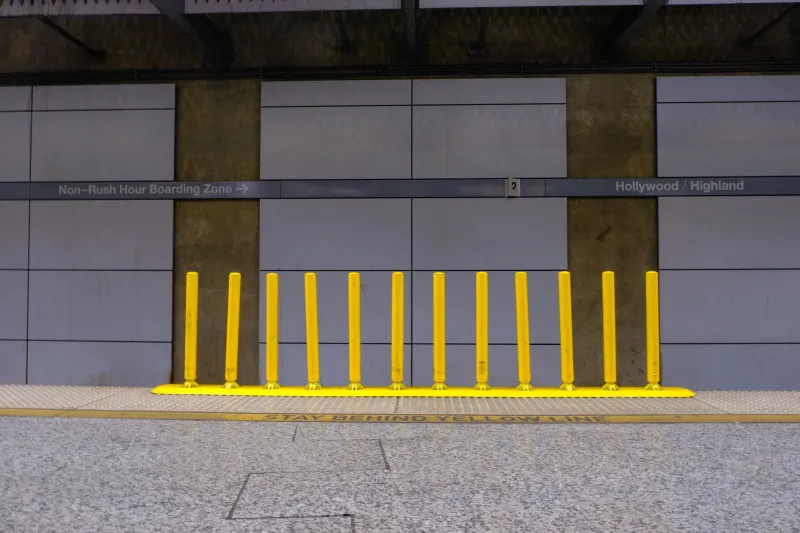
Hayward has two BART stations — Hayward and South Hayward — which gives residents direct rail access to the broader regional network without the platform chaos of downtown hubs. Trains run frequently enough to make BART a real daily option, not just a backup plan for when the 880 turns into a parking lot.
For commuters heading into San Francisco, BART is almost always faster than driving once you account for bridge traffic and parking costs. A round-trip BART fare from Hayward to the Embarcadero runs around $12 to $15 depending on exact routing. Compare that to Bay Bridge tolls, downtown SF parking (which regularly runs $35 to $50 a day), and the sheer time cost of sitting in traffic, and the math heavily favors the train.
But here's where the local taxi piece comes in — and it's a detail that a lot of BART riders overlook.
The First Mile and Last Mile Problem
BARTis great once you're on it. Getting to and from the station is where the commute plan often falls apart. Driving to BART and paying for daily station parking eats into the savings you just calculated. Rideshare apps are theoretically convenient, but surge pricing during peak commute hours can push a short ride to $18 or $20 before you've even hit the platform.
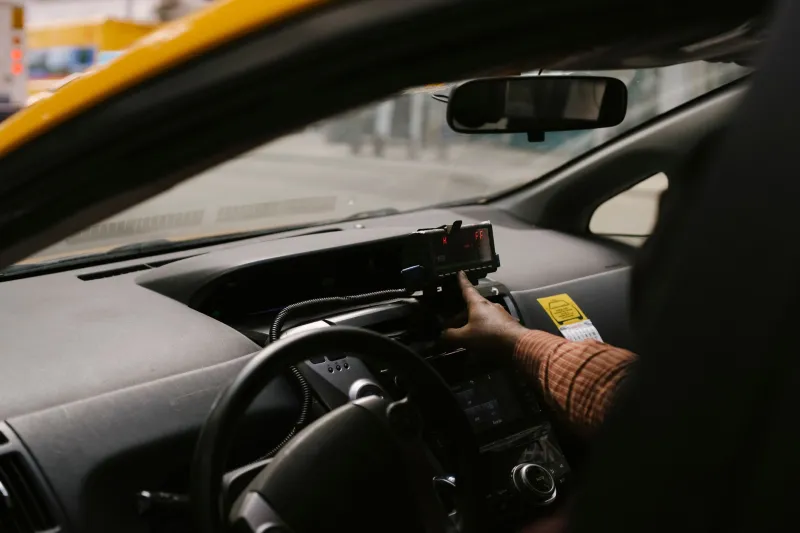
A reliable local taxi service solves this differently. Flat-rate or predictable fares mean you can actually budget your commute instead of gambling on what the app decides to charge at 7:45 a.m. A driver who knows Hayward's streets — the shortcuts around school drop-off traffic, the timing of specific intersections, the fastest path to South Hayward Station on a Tuesday morning — gets you there without the guesswork.
That local knowledge isn't something an algorithm develops. It's something that comes from driving these streets day after day, season after season. And it's the difference between cutting it close at the platform and boarding with time to spare.
Cost of Living Context Matters Here
Hayward's commuting advantages don't exist in isolation — they're part of a broader value proposition that includes housing costs significantly lower than San Francisco or the peninsula. The median home price in Hayward runs well below comparable properties in Palo Alto, Menlo Park, or even parts of Oakland's more desirable neighborhoods.
For workers who can access the same job markets from Hayward as from those pricier zip codes, the calculus becomes hard to ignore. You're not sacrificing career access. You're not adding hours to your day. You're just paying less for the privilege of living here — and in a region where housing costs are one of the defining stressors of daily life, that matters enormously.
Making the Most of the Advantage You Already Have
If you're already living in Hayward, there's a decent chance you've felt the benefits without fully quantifying them. The commute feels manageable. The weekends feel longer. The stress of the daily grind is a notch or two lower than what your friends in other cities describe.
But there's a version of the Hayward commute that's even more dialed in — one where you're not hunting for parking at the BART station, not refreshing a rideshare app hoping the surge drops, and not stuck in a car alone on the 880 when you could be doing something useful with your time.
A dependable local taxi service is a straightforward upgrade. Book your ride the night before. Get picked up at your door. Arrive at the station or your destination without the variables that make commuting feel like a coin flip.
Hayward's location already does most of the heavy lifting. The last piece is just making sure your transportation is as reliable as the geography you're working with.