Running on Empty: The Burnout Crisis Quietly Hitting Hayward's Rideshare Drivers
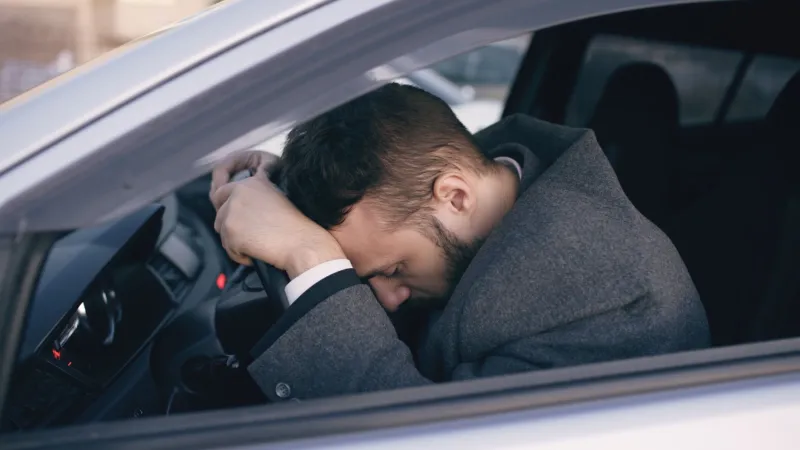
You've probably never thought about what happened to your driver after you stepped out of the car. You got where you needed to go, maybe left a five-star rating, and moved on with your day. Fair enough — that's how the system is designed. But for the person who just dropped you off, the story doesn't end there. They're already refreshing the app, chasing the next fare, calculating whether it's worth staying out another two hours or calling it a night and eating the fuel cost.
Across Hayward and the broader East Bay, that cycle is taking a serious toll. And the people living it are starting to talk.
The Schedule That Isn't Really a Schedule
One of the biggest selling points of gig driving has always been flexibility. Set your own hours. Work when you want. Be your own boss. It's a pitch that still works on a lot of people — especially in a high cost-of-living area like the Bay where a second income stream feels like a necessity, not a luxury.
But flexibility looks different once you're actually in it.
Marco, a Hayward resident who drove for two major rideshare platforms for almost four years, describes the reality bluntly. "There's no such thing as a slow Tuesday when you have rent due," he says. "You tell yourself you'll only work mornings, and then the surges hit at 11 PM and you're out there until 2 AM because you need the money. That 'flexibility' just means you're always on call for yourself."
That kind of self-imposed pressure — the inability to truly clock out — is one of the defining features of gig work burnout. Without a set shift, drivers often lack the psychological boundary between work time and rest time. Every hour off the road feels like money left on the table.
No Benefits, No Buffer
The financial precarity compounds the mental strain. Traditional employment comes with a cushion most gig workers don't have access to — health insurance, paid sick days, workers' comp if something goes wrong. When you're an independent contractor, none of that exists.
For drivers spending eight to twelve hours a day behind the wheel, the physical risks are real. Back problems, eye strain, fatigue-related errors — these aren't hypothetical. And when something does go wrong, there's no HR department to call. There's just a gap in income and a bill you weren't expecting.
Denise, who drove part-time in Hayward while working a warehouse job, had to stop driving entirely after a minor fender-bender that wasn't her fault. "I couldn't afford to be deactivated while the insurance stuff got sorted out. So I just stopped. That was six months of side income, gone, because the platform has no reason to protect you."
The absence of benefits isn't just an inconvenience. For drivers who rely on rideshare income as a primary or significant secondary source, it creates a constant low-grade anxiety that doesn't go away even when they're not driving.
The Algorithm Problem Nobody Talks About
Beyond the scheduling and financial pressures, there's a subtler issue that long-time drivers bring up again and again: the algorithm.
Rideshare platforms use complex, opaque systems to determine who gets dispatched, how fares are calculated, and which drivers get access to higher-demand zones or bonus incentive programs. Drivers have almost no visibility into how these decisions are made — and no recourse when they feel the system is working against them.
"I had a week where I was just not getting rides," says James, who drove in the Hayward and Fremont area for three years. "Same hours, same area. Just nothing. I called support and they basically said the algorithm determines dispatch. That's it. No explanation, no appeal. You're just out there hoping."
That unpredictability — not knowing if a given shift will net $80 or $180 — makes it nearly impossible to plan financially or emotionally. Drivers describe checking their earnings obsessively, adjusting routes based on surge maps, and making split-second decisions about whether to accept or decline rides based on calculations that change by the minute. It's mentally exhausting in a way that doesn't show up on any platform dashboard.
What Stability Actually Looks Like
Not every driving job in Hayward operates this way.
At Haywards Taxi, the model is built differently. Drivers work defined shifts, which means they know when they're working and when they're not. That boundary matters more than people realize — it's the difference between a job and a lifestyle that consumes you. There's also a dispatch system that doesn't leave drivers guessing. Regular customers, airport runs, pre-scheduled pickups — these create a more predictable flow of work that makes it easier to budget, plan, and actually rest when the shift ends.
For drivers who've spent years grinding through the gig economy, that kind of structure can sound almost too good to be true. But it's the model that professional transportation services have operated on for decades, and there's a reason it's survived.
"I wish I'd known sooner that there was a difference," Marco says. He now works with a local car service and describes the change as significant. "I sleep better. I know what my week looks like. I'm not checking my phone every five minutes."
The Bigger Picture
Driver burnout isn't just a personal problem — it affects everyone who depends on reliable transportation. Fatigued drivers make more errors. High turnover means less experienced people behind the wheel. And when the workforce is constantly churning because the conditions are unsustainable, service quality suffers across the board.
Hayward is a commuter city. People here depend on rides to BART, to Oakland, to SFO and OAK, to medical appointments and late-night shifts. The quality of that transportation depends on the people providing it — and those people deserve working conditions that don't grind them down.
The gig economy sold drivers on freedom. What a lot of them got instead was unpredictability dressed up as autonomy. The distinction matters, and more drivers are starting to see it.
If you're a driver who's felt the weight of that grind, or a rider who's wondered what's really going on with the person up front, it's worth paying attention to who you're supporting when you choose how to get around. The ride you take is someone's livelihood. It should be a sustainable one.