One Missed Ride, A Month of Chaos: The True Domino Effect of Unreliable Transportation in Hayward
It sounds minor on paper. A ride gets cancelled. You scramble, you figure it out, you move on. Except you don't always move on—not cleanly, not cheaply, and not without consequences that ripple out further than you'd expect.
For a lot of Hayward residents, one bad transportation experience isn't just an inconvenience. It's the first domino in a chain that can take weeks to stop falling.
The Job Interview That Almost Wasn't
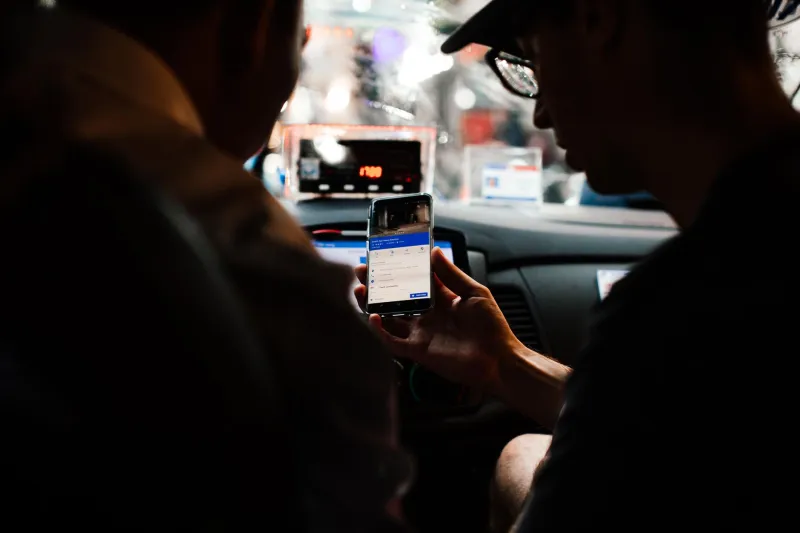
Take Marcus, a 34-year-old warehouse supervisor from the Tennyson area. Earlier this year, he had a second-round interview for a logistics management role in Fremont—a position that would've bumped his salary by nearly $18,000 a year. He booked a rideshare the night before, confirmed it that morning, and watched it get cancelled eleven minutes before pickup.
"I tried rebooking, but surge pricing had kicked in and the wait was 25 minutes," he said. "I called a neighbor, couldn't reach her. I ended up driving myself, spent 20 minutes looking for parking, and walked in eight minutes late."
He didn't get the job. The hiring manager mentioned punctuality during the feedback call.
That single missed ride—the one that cost him maybe $14 under normal pricing—ended up costing him a career opportunity worth tens of thousands of dollars in potential earnings. Transportation unreliability doesn't just affect your morning. It affects your trajectory.
The Childcare Math Nobody Talks About
Parents in Hayward are already navigating one of the most expensive childcare landscapes in the country. The Bay Area's average monthly childcare costs regularly exceed $2,000 per child. Most families have it down to a science: pickup at a specific time, drop-off at a specific place, everything choreographed to the minute.
When a ride falls through, that choreography collapses.
Denise, a nurse who works rotating shifts at a medical facility near the Oakland border, described what happened when her regular rideshare driver cancelled on a Tuesday afternoon with no warning. Her shift ended at 3:45 p.m. Her daughter's after-school program closed at 5:00 p.m. sharp—with a $1-per-minute late fee after that.
"I spent 40 minutes trying to get a ride, then called my sister who had to leave work early to cover," Denise said. "My sister ended up losing two hours of pay. I paid the late fee. And I still had to figure out the rest of the week."
The total damage from that one afternoon: roughly $85 in fees and lost wages between the two of them. But the harder cost was the stress—and the fact that it made Denise's sister less willing to be a backup option going forward.
Relationships Take the Hit Too
This is the part that doesn't show up in any financial calculation. When transportation fails repeatedly, it doesn't just strain your schedule—it strains the people around you.
Friends who pick you up as a favor start declining. Partners who cover for you start keeping score. Coworkers who cover a late arrival once or twice begin to build a different picture of you, fairly or not. The social cost of unreliable transportation is real, and it compounds the same way the financial cost does.
A 2023 survey from the Urban Institute found that transportation insecurity—defined as difficulty accessing or affording reliable transportation—was directly linked to increased stress levels, reduced social participation, and greater difficulty maintaining employment. Hayward, with its mix of shift workers, commuters, and service-industry professionals, fits squarely within the population most affected.
The Surge Spiral
Here's another layer that catches people off guard: when your primary ride falls through, you're often forced to rebook under worse conditions. That means surge pricing, longer wait times, and sometimes an entirely different mode of transportation that costs more and takes longer.
A cancelled $16 ride at 7:30 a.m. can easily turn into a $34 surge-priced replacement—if you can get one at all. Add the cost of being late (a docked hour, a missed meeting, a client who reschedules), and you're looking at a $16 inconvenience that's now a $75 problem.
For Hayward residents living paycheck to paycheck—and according to the United Way's ALICE report, more than 40% of Bay Area households fall into financially struggling categories—that kind of unexpected hit isn't abstract. It's rent math. It's grocery math. It's "do I fill the tank or buy the prescription" math.
Why Local Reliability Actually Matters
There's a reason people in Hayward who've been burned by app-based services eventually start looking for something more consistent. It's not nostalgia. It's arithmetic.
When a transportation provider knows your neighborhood, your usual routes, your typical schedule, and answers the phone when you call—the whole calculus changes. You're not just buying a ride. You're buying the absence of chaos.
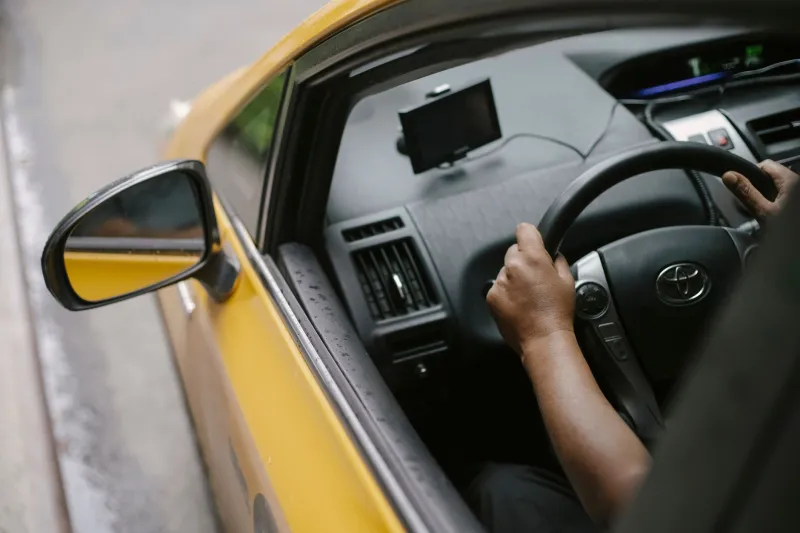
Haywards Taxi operates on exactly that premise. Local drivers, local knowledge, and a dispatch system that doesn't vanish when demand spikes. For the early shift worker who can't afford to gamble on an algorithm, or the parent whose childcare clock is already ticking, that kind of dependability isn't a luxury—it's a necessity.
What Reliability Actually Buys You
Let's put a number on it. If a single transportation failure costs the average Hayward resident between $50 and $200 in direct and indirect expenses—and that's a conservative estimate based on the scenarios above—then even two or three failures a year represent a significant financial leak. For families and shift workers, the number climbs higher.
Consistent, reliable transportation eliminates that variable. It's not just about getting from point A to point B. It's about protecting everything that depends on that trip going smoothly.
Marcus eventually landed a different job—a good one, closer to home. But he switched to a local taxi service for anything that matters. "I can't afford another interview story like that," he said.
Neither can most people. The cost of unreliability is hiding in plain sight, and in Hayward, it's higher than you think.