BART Isn't Free: The Sneaky Costs Hayward Commuters Stop Noticing Until They Add It All Up
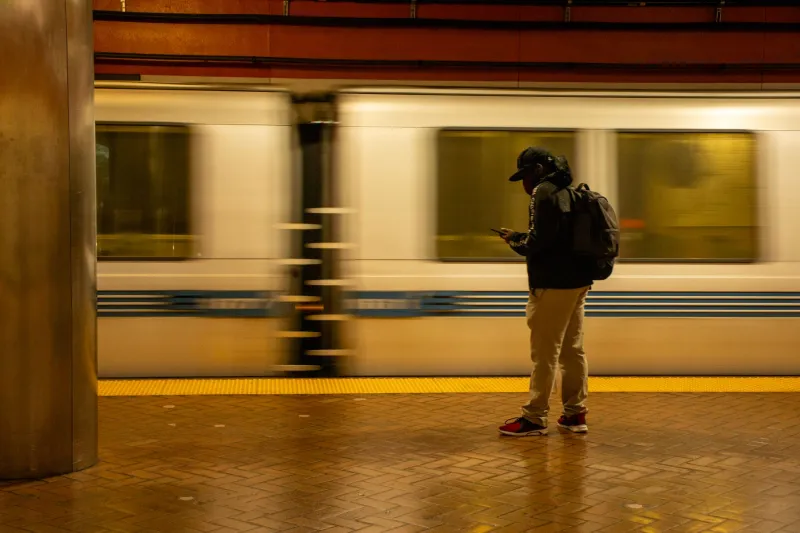
There's a certain confidence that comes with tapping your Clipper card and watching the doors close behind you. You're on BART. You're being responsible. You're saving money.
Except — are you?
For a lot of Hayward residents, BART is the backbone of their commute. And honestly, for certain trips, it absolutely earns that role. But the way most people calculate the cost of riding BART is incomplete at best, and quietly expensive at worst. The fare is just the beginning. Once you start factoring in everything that surrounds a BART trip — the ride to the station, the walk from the platform, the missed connection, the parking, the waiting — the numbers start looking a lot less comfortable.
Let's break it down.
The First Mile Nobody Budgets For
Hayward BART station isn't walking distance for everyone. For plenty of residents, getting to the station in the first place requires a plan. Some people drive and park. Some bike. Some call a ride. Some do a combination depending on the day, the weather, or how late they're running.
Parking at Hayward BART isn't free. Daily parking fees add up fast — if you're commuting five days a week, that's a monthly cost that rarely gets folded into people's mental accounting of what BART "costs." You're also on the hook for wear on your vehicle, fuel, and the occasional parking ticket when the lot fills up and you make a questionable call on the street.
Biking sounds like the obvious solution, until it rains, until you're dressed for a meeting, until your bike gets stolen from the rack. It's a great option in the right conditions. But it's not a reliable daily system for most people.
A lot of commuters just absorb this first mile without questioning it. It becomes invisible. And invisible costs are still costs.
The Last Mile Is Worse
You've made it through the BART ride. Now you're standing on a platform in San Francisco, or Oakland, or Fremont, and your actual destination is still a mile away. Maybe more.
If you're lucky, there's a Muni connection or a bus that gets you close. If you're in San Francisco, you might walk it. But that walk has a cost too — time. And depending on the neighborhood, weather, or time of day, it's not always a comfortable or safe one.
Many Hayward commuters end up grabbing a rideshare for the last leg, especially when they're heading somewhere with limited transit access. That $8 or $12 Lyft at the end of the trip rarely gets mentally attached to the BART fare. It feels like a separate decision. But it isn't. It's part of the same trip, and it belongs in the total.
The Connection Tax
Bart is a backbone, not a complete network. To get from Hayward to a lot of Bay Area destinations, you need connections — and connections are where the system gets expensive in ways that have nothing to do with money.
Missed connections mean waiting. Waiting means longer commutes. Longer commutes mean less time at home, less flexibility in your schedule, and more stress baked into your daily routine. When you're calculating whether BART is worth it, you have to count your time as a real resource. An extra 40 minutes of commuting per day — which is not unusual for multi-leg Bay Area trips — adds up to over 160 hours a year. That's four full work weeks.
For people with inflexible work schedules, kids to pick up, or evening commitments, a missed BART connection isn't just annoying. It's a genuine disruption with real consequences.
When the Math Flips
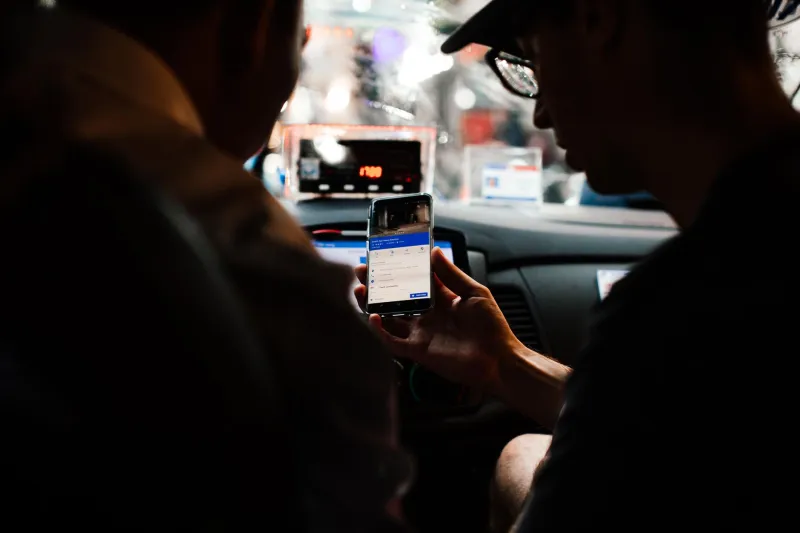
Here's where things get interesting. A lot of Hayward commuters assume that BART plus a patchwork of other options is always cheaper than alternatives. But when you run the honest numbers — BART fare, parking or first-mile ride, last-mile ride, time cost, and the occasional service disruption — the gap between BART-based commuting and a reliable taxi ride narrows considerably.
For shorter trips, or trips where the origin and destination don't align neatly with the rail network, a direct taxi ride can actually come out ahead. Not just in dollars, but in predictability. You know the price before you go. You know how long it'll take. There's no transfer to miss, no platform to sprint across, and no last-mile scramble.
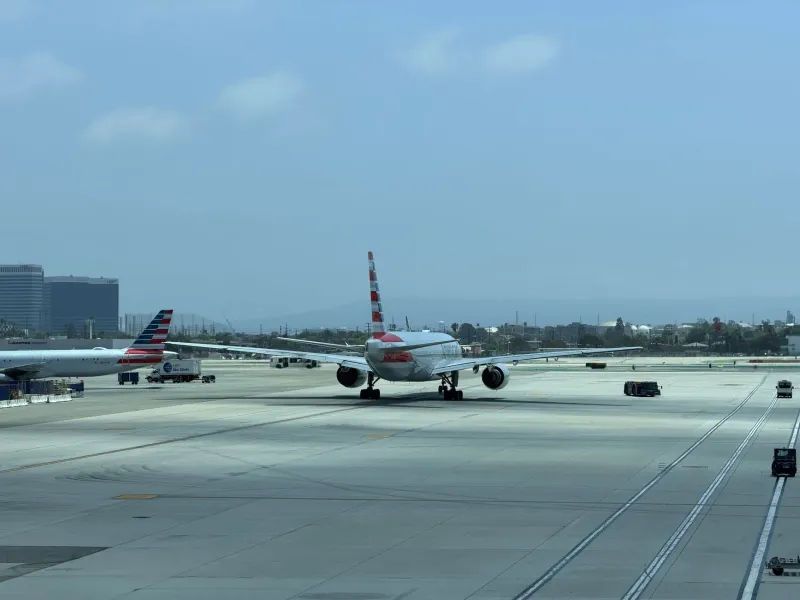
For airport trips especially, this math flips almost every time. Driving to BART, paying to park or getting dropped off, riding to SFO or OAK, navigating the terminal connection — versus a single direct ride from your front door to the departures level. The taxi option isn't always more expensive. And when it is, the margin is often smaller than people expect.
The Stress Factor (Yes, It Counts)
This one's harder to put a number on, but it's real. BART is not a stress-free experience. Delays happen. Overcrowding happens. Service disruptions happen — sometimes with no warning and no good alternative. If you've ever stood on a Hayward BART platform at 7:45 a.m. watching a third consecutive train pass because it's too full to board, you know exactly what this feels like.
That stress compounds over time. It affects how you show up at work. It affects how you feel when you get home. And it affects how much patience you have for the rest of your day.
A reliable, direct ride doesn't eliminate stress from your commute, but it removes a specific category of uncertainty that a lot of Bay Area commuters have just learned to accept as normal. It doesn't have to be.
A Smarter Way to Think About Your Transit Mix
None of this is an argument against BART. For the right trips — downtown San Francisco, cross-bay commutes, avoiding freeway gridlock — it's genuinely valuable. The point is that "I take BART" shouldn't be the end of the conversation.
Smart commuters in Hayward are starting to think about their transit mix the same way they think about their finances: with the full picture in view. That means knowing which trips BART handles well, which ones it handles poorly, and where a direct taxi ride fills the gaps without blowing the budget.
For medical appointments, early flights, late-night returns, or any trip where reliability matters more than anything else, a local taxi isn't a luxury. It's just the right tool for the job.
The hidden costs of "just taking BART" aren't hidden once you know where to look. Once you see them, you can't unsee them — and your commuting decisions get a whole lot smarter.