Paying to Work: How Hayward Commuters Are Getting Squeezed by Bay Area Transportation Costs
There's a cruel irony buried inside the Bay Area's reputation as one of the most prosperous regions in the country. While Silicon Valley headlines celebrate billion-dollar valuations and six-figure salaries, a large chunk of the workforce making that economy run is quietly hemorrhaging money just to show up. And nowhere is that gap more visible than in Hayward.
Sit with this for a second: if you're commuting from Hayward to San Francisco five days a week, you could easily spend anywhere from $400 to $700 a month on transportation alone — before you've bought a single cup of coffee or paid a dollar toward rent. That's not a fringe case. For thousands of Hayward workers, it's Tuesday.
The Geography Problem Nobody Talks About
Hayward's location sounds like a selling point on paper. It's centrally positioned in the East Bay, roughly equidistant from Oakland, San Jose, and San Francisco. Commuters can theoretically reach any of the Bay Area's major employment hubs without driving to the edge of the map.
But that central positioning comes with a catch. Hayward workers aren't close enough to San Francisco to make BART a quick hop, and they're not deep enough in the South Bay to benefit from the tech shuttle culture that's made life a little easier for workers in Sunnyvale or Mountain View. They're stuck in the middle — geographically and economically.
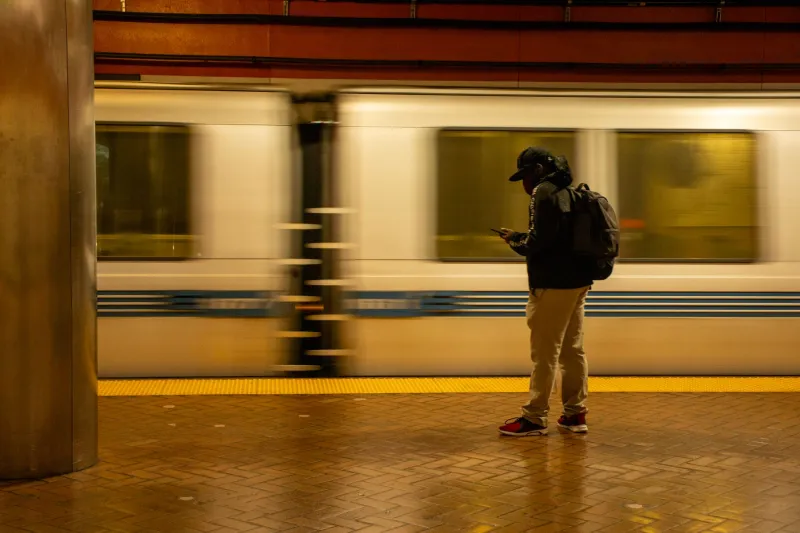
BART does serve Hayward, but service gaps, infrequent late-night trains, and the cost of connecting rides on either end of the trip chip away at what looks like a budget-friendly option. By the time you add a parking fee or a rideshare pickup to your morning BART fare, you're already spending more than the transit system's marketing would have you believe.
What the Wage Premium Actually Covers
Economists have a term for the extra pay employers in expensive metro areas offer to attract workers from farther out: the wage premium. In theory, Bay Area employers compensate for higher costs of living. In practice, that premium rarely accounts for the full transportation burden that workers in outlying communities like Hayward actually carry.
A worker earning $28 an hour in downtown San Francisco might look like they're doing well compared to a $22-an-hour job in Hayward. But strip out $600 a month in commuting costs — BART fares, parking, rideshare fees, gas, car maintenance — and that gap shrinks fast. In some cases, it disappears entirely. The commute doesn't just eat time. It eats income.
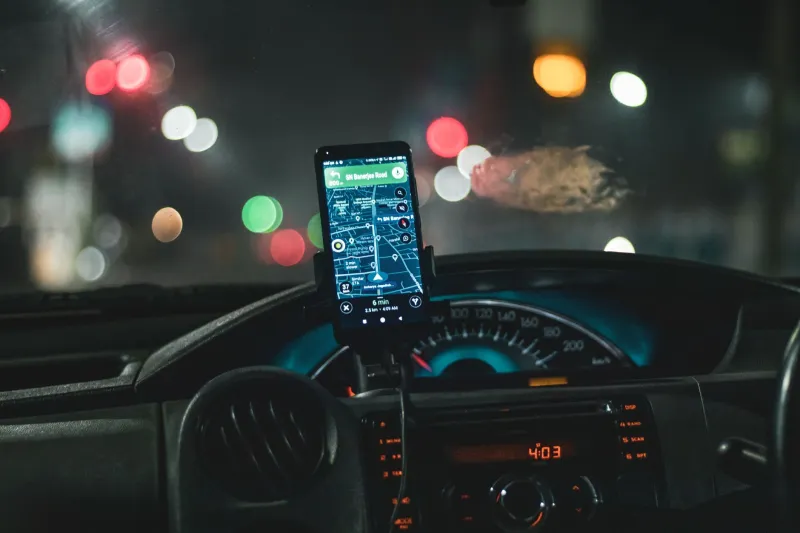
And that's before you factor in the unpredictability of app-based transportation. Surge pricing during peak commute hours is not a glitch — it's a feature of how these platforms make money. A ride that costs $18 at 10 a.m. can run $34 or more at 8 a.m. when you actually need it. For daily commuters, that variability makes budgeting nearly impossible.
The Ride-Share Gap in Hayward
Ride-share apps promised to democratize transportation. In some cities, they've done exactly that. In Hayward, the picture is more complicated.
Drivers on app-based platforms tend to cluster around high-demand areas — BART stations, downtown corridors, shopping centers. That means residents in quieter Hayward neighborhoods often face longer wait times, higher surge pricing, and less reliable service than their counterparts in denser urban cores. The algorithm doesn't care that you need to catch a 6:47 a.m. train. It cares about supply and demand, and if supply is low in your zip code, you're paying for it.
There's also the issue of driver familiarity. App-based drivers are often unfamiliar with Hayward's local streets, construction detours, and the quirks of East Bay traffic patterns. A driver following GPS directions might add ten minutes to a trip that a local driver would handle in half the time. Those minutes add up — especially when a missed BART train means a 20-minute wait and a late arrival at work.
Transit Access Isn't Equal Across the Bay
It's worth naming something directly: transportation access in the Bay Area is not distributed equally, and Hayward residents — many of whom are working-class families, essential workers, and service industry employees — feel that inequality more acutely than most.
Wealthier communities have benefited from employer-sponsored shuttle programs, better parking infrastructure, and proximity to express transit routes. Meanwhile, workers in Hayward are navigating a patchwork system that requires more transfers, more planning, and more money to make work. The disparity isn't accidental. It reflects decades of infrastructure investment decisions that prioritized certain corridors over others.
For workers without personal vehicles, the situation is even tighter. Relying entirely on public transit in Hayward means building your schedule around train times, accepting longer commutes, and having virtually no backup when service is disrupted — which, on BART, happens more than the agency would like to admit.
Where Local Taxi Service Fits In
This is where a reliable, locally-based taxi service stops being a convenience and starts being a genuine financial tool.
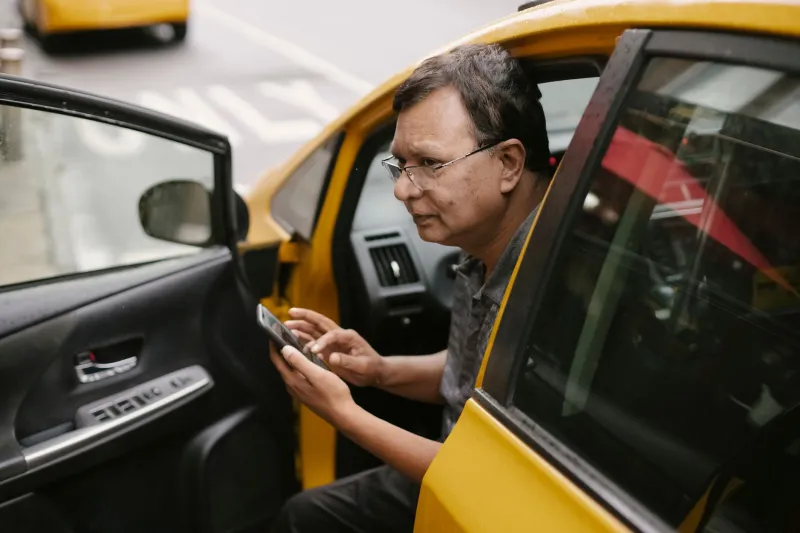
Unlike app-based platforms, a local taxi service operates on fixed or clearly communicated rates. There's no surge pricing when you need a 5:30 a.m. ride to the BART station. There's no algorithm deciding your fare based on how many other people happen to need a ride at the same moment. You call, you get picked up, you know what it costs.
For Hayward commuters doing the math, that predictability has real value. When you can build a reliable transportation cost into your monthly budget — the same way you'd budget for rent or groceries — you're actually in control of your finances in a way that app-based pricing simply doesn't allow.
Drivers who know Hayward also know the fastest routes at 7 a.m., which intersections back up after school lets out, and how to get you to South Hayward BART without sitting through three light cycles at Mission Boulevard. That local knowledge isn't just a nice-to-have. It's time and money.
The Bigger Picture
Hayward workers aren't complaining about working hard. They're pointing out — fairly — that the system asks them to pay more for the privilege of doing so. The transportation inequality baked into the Bay Area's geography and infrastructure hits East Bay commuters in real, measurable ways that don't show up in regional economic reports but absolutely show up in bank accounts.
Choosing smarter transportation isn't about giving up on the system. It's about working around its gaps. For a lot of Hayward commuters, that means taking a harder look at what they're actually spending, ditching the unpredictable app-based options that are costing them more than they realize, and finding a ride they can count on — at a price that doesn't change based on the weather or the time of day.
Your commute is already expensive enough. Your ride to the train station shouldn't be a gamble on top of it.