One Bad Ride, A Hundred Hidden Bills: The True Financial Toll of Unreliable Transportation on Hayward Families

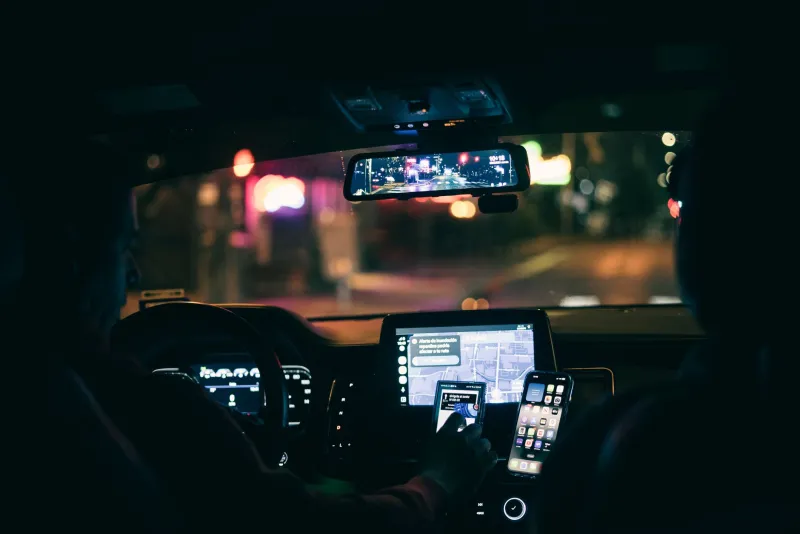
When Maria, a Hayward mom of two, missed her second job interview in a month last spring, she didn't blame the traffic. She blamed the app. Her rideshare driver canceled seven minutes before pickup, and by the time she scrambled to rebook, the surge had doubled the fare and her window had closed. The employer moved on. She didn't get a callback.
That single missed ride cost her a job she needed. But it also cost her something harder to measure — confidence, momentum, and the quiet belief that she could count on getting somewhere when it mattered.
Her story isn't unusual in Hayward. And the financial damage? It goes way beyond the fare.
The Costs Nobody Puts on a Spreadsheet
Most people think about transportation costs in simple terms: what did the ride cost me today? But families who rely on gig-economy apps for critical trips are quietly absorbing a second layer of expenses that rarely gets tracked or tallied.
Think about late pickup fees at daycare. Most childcare centers in the Hayward area charge anywhere from $1 to $5 per minute after closing time. A driver who shows up 20 minutes late because the app routed them through a congested stretch of Mission Boulevard doesn't just cause stress — it adds a $60 to $100 penalty to your week, sometimes more. Do that twice a month and you're looking at an invisible childcare surcharge that rivals a car payment.
Then there's the job interview problem. Transportation unreliability doesn't just cost you one opportunity. It costs you the downstream income from the position you would have landed. Career counselors in the East Bay have started noting that transportation anxiety is one of the most underreported barriers to employment among working-class residents — and Hayward, with its mix of blue-collar and white-collar workers navigating a sprawling Bay Area job market, sits squarely in that reality.
The Emotional Tax Is Real — and It Has a Price Tag
Stress is expensive. That's not a metaphor — it's a documented public health finding. Chronic unpredictability in daily logistics is linked to elevated cortisol, disrupted sleep, and reduced decision-making capacity. For Hayward families already managing tight budgets, the anxiety of wondering whether a ride will actually show up adds a grinding background noise to everyday life.
James, a warehouse shift supervisor in Hayward, put it plainly: "I started waking up at 4 a.m. not because my alarm went off, but because I was already stressed about whether my driver would cancel. I was losing sleep over a car I didn't own."
That chronic stress bleeds into relationships, parenting, and work performance. When you can't trust your transportation, you can't fully trust your schedule — and when you can't trust your schedule, everything downstream becomes provisional. Plans get abandoned. Social commitments get dropped. Family dinners get skipped because you're still waiting on a driver who's stuck in traffic your app never predicted.
Abandoned Plans Have a Dollar Value Too
Here's one that rarely gets discussed: the cost of not going. When transportation feels unreliable, people start preemptively canceling plans rather than risking the stress of a bad experience. They skip the family gathering in Fremont. They skip the networking event in Oakland. They skip the dentist appointment they'd already rescheduled twice.
Every skipped dentist visit is a future filling or root canal. Every skipped networking event is a contact not made, a referral not received, a door that stays closed. The invisible cost of avoided trips compounds quietly and relentlessly.
For Hayward families, this avoidance behavior is particularly costly because the city's geographic position — central in the Bay Area, with easy access to Oakland, San Jose, and San Francisco — means the opportunity cost of not traveling is high. You're sitting in the middle of one of the most economically dynamic regions in the country, and you're staying home because you can't count on your ride.
What Dependable Looks Like in Practice
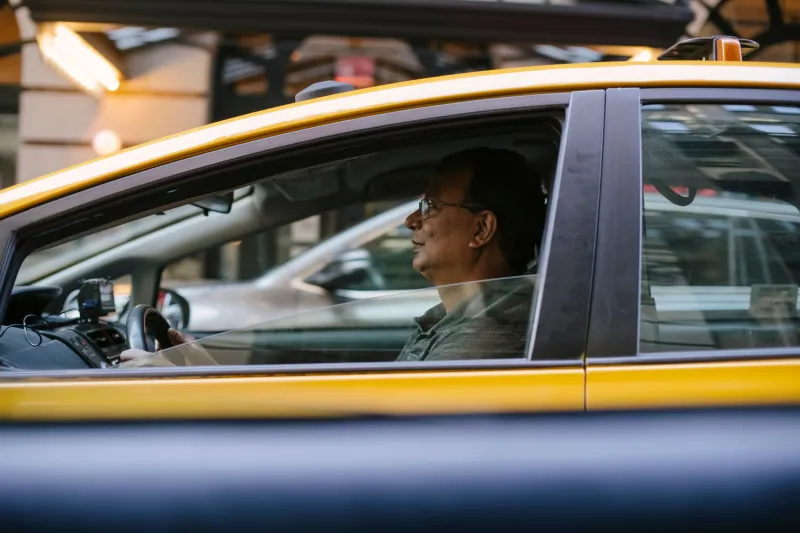
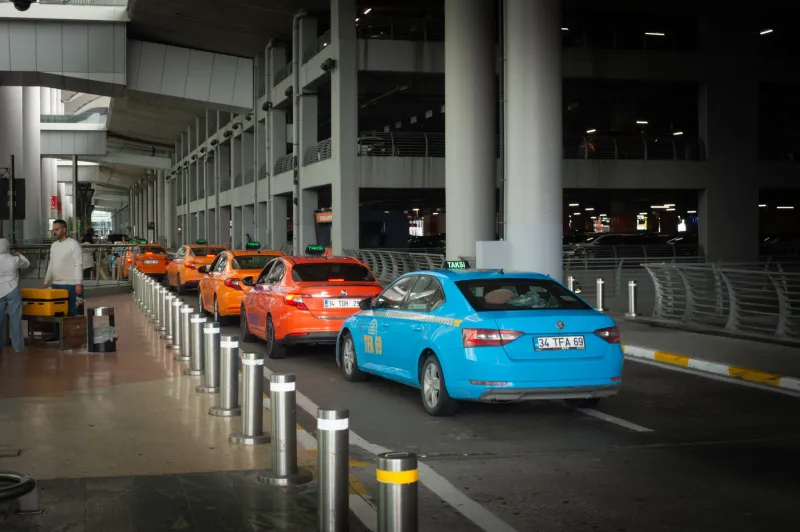
The contrast with reliable, scheduled taxi service isn't just about comfort — it's about certainty. When you book a ride with a local Hayward taxi service and confirm a pickup time, you're not rolling dice. You're making a plan you can actually build around.
That matters enormously for childcare logistics. It matters for job interviews. It matters for early-morning flights out of Oakland International, where a no-show at 4:30 a.m. isn't just inconvenient — it's a missed flight, a rebooking fee, and potentially a lost business deal.
Local taxi services operate with accountability that app-based platforms structurally can't replicate. When a driver knows a neighborhood — knows the school pickup patterns on D Street, knows that the intersection near the BART station backs up every Tuesday evening — they plan accordingly. That local knowledge translates directly into on-time arrivals, and on-time arrivals translate directly into avoided fees, captured opportunities, and a household that runs on something more stable than hope.
Counting the Full Cost
If you're a Hayward family currently relying on rideshare apps for your most important trips, it's worth doing the honest math. Add up the late fees. Add up the surge charges on the rides you couldn't avoid. Add up the opportunities you missed or the plans you abandoned because the uncertainty was too high. Add up the sleep you lost.
That number is almost certainly higher than what it would cost to use a reliable, locally-operated taxi service for the trips that actually matter.
Transportation isn't just a line item. For families in Hayward, it's the infrastructure that everything else runs on. When it fails, everything fails with it — and the bill always comes due.