Ride Smarter, Not Harder: How Hayward's Hidden Calendar Can Save You Time and Money
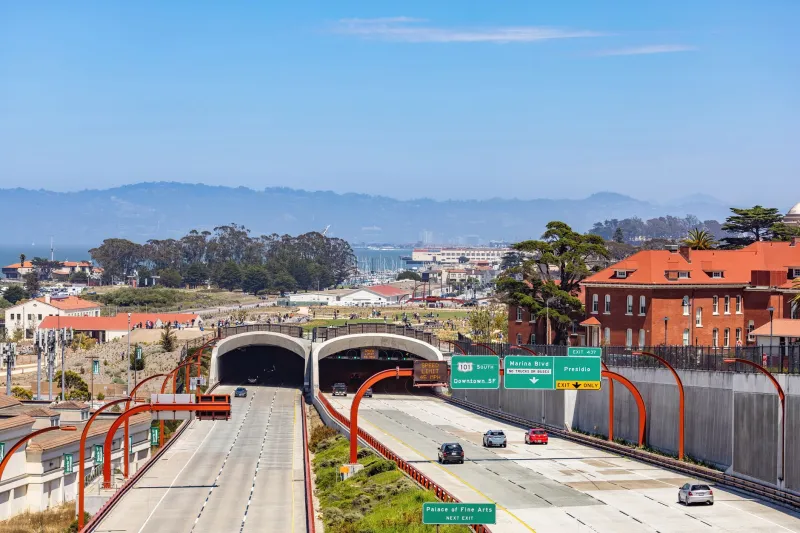
Most people think of their commute as something that just happens to them. The traffic is bad, or it isn't. The ride shows up, or it doesn't. But spend enough time navigating the streets of Hayward — really navigating them, not just following a blue line on a phone screen — and you start to notice something interesting: the city has a rhythm. A hidden calendar, almost. And once you learn to read it, getting around becomes a completely different experience.
This isn't some abstract theory. It's the kind of practical knowledge that separates a stressful commute from a smooth one, a budget-draining week from an efficient one.
Hayward's Traffic Isn't Random — It Just Feels That Way
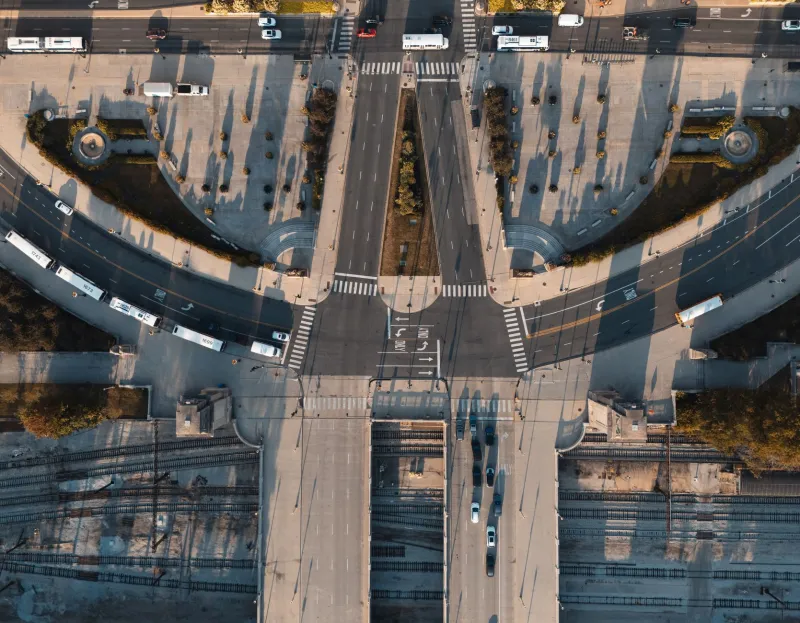
Let's start with the basics. Anyone who's tried to merge onto I-880 on a Tuesday morning versus a Friday afternoon knows the difference is night and day. But beyond the obvious rush-hour crunch, Hayward has micro-patterns that don't show up cleanly in any app's algorithm.
The stretch around the Hayward BART station, for example, gets particularly congested during the school year — not just in the mornings, but in that awkward 2:30 to 4 p.m. window when school dismissals, early commuters, and afternoon delivery traffic all converge at once. Miss that window by thirty minutes in either direction, and the same route feels like a completely different city.
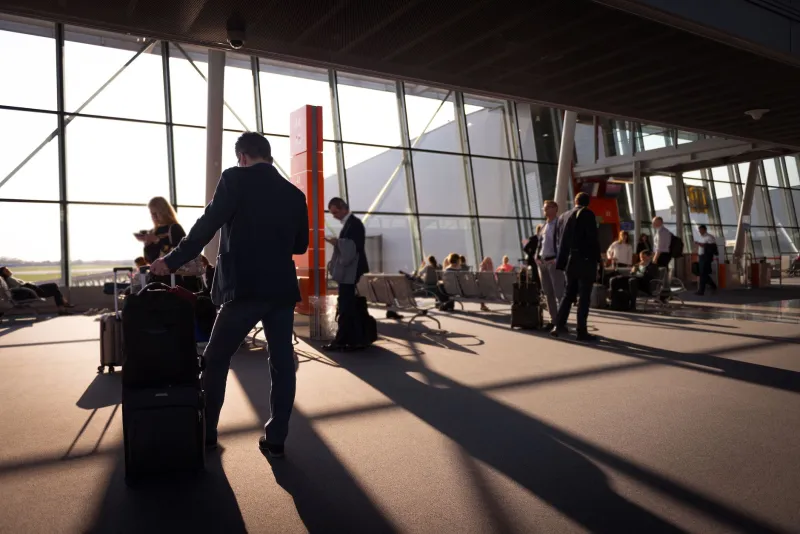
Then there's the seasonal layer. Summer months bring a noticeable uptick in airport runs, especially toward Oakland International. Families heading out for vacations, students flying home, remote workers finally cashing in on travel flexibility — it all stacks up. Knowing that OAK sees its heaviest passenger volume between Memorial Day and Labor Day isn't just trivia. It's the kind of intelligence that helps a driver plan a route, time a pickup, and give a realistic arrival estimate before the passenger even asks.
Local Events Change Everything
Hayward punches above its weight when it comes to community events. The Saturday Farmers Market downtown, the annual arts and music festivals at various parks, events at the Chabot College campus, and the steady stream of activity around Cal State East Bay — each one of these creates a ripple effect on surface streets and parking that most GPS apps are embarrassingly slow to catch.
Take a big graduation weekend at Cal State East Bay. The moment that ceremony ends, you've got thousands of people trying to get to restaurants in downtown Hayward, back to hotels near the freeway, or straight to the airport. An algorithm sees that traffic spike and starts raising prices. A local driver who's worked that event three years running already knows to approach via A Street instead of Mission Boulevard, and has mentally mapped which parking lots will be gridlocked before a single car has moved.
That's not something you can code. It's something you live.
The Seasonal Shift Most Commuters Ignore
Bay Area weather is famously mild, but Hayward has its own microclimate quirks that absolutely affect commute behavior. The fog that rolls in off the bay during late spring and early summer — what locals call "June Gloom" — doesn't just reduce visibility. It slows surface street traffic, creates minor fender-benders on the freeway, and causes BART delays that push more riders toward taxis and rideshares all at once.
When that fog is thick, app-based surge pricing kicks in hard. Demand spikes, supply can't keep up, and suddenly that $18 ride home becomes $34 before you've even confirmed your pickup location.
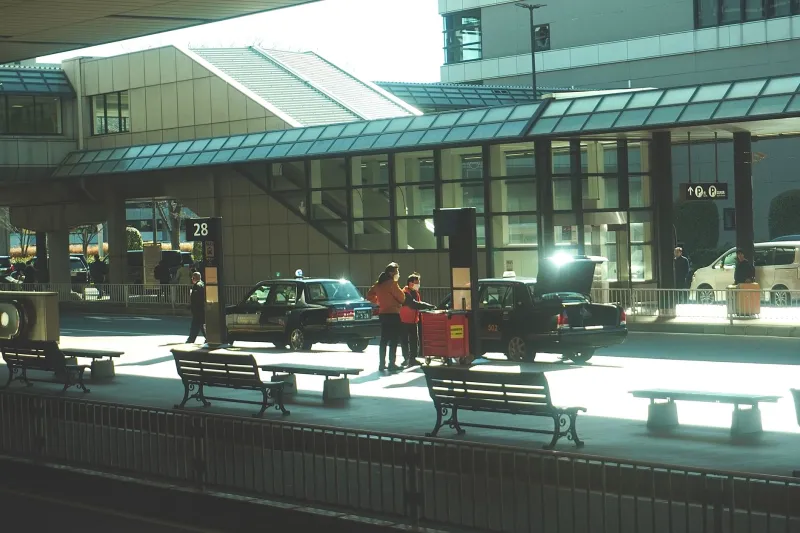
A local taxi service that understands the seasonal calendar isn't caught off guard by any of this. Drivers are already on the road during those windows because they know from experience — not from an algorithm — that demand is going to be high. That availability translates directly into shorter wait times and more predictable pricing for the rider.
Why Flat-Rate and Local Knowledge Go Hand in Hand
Here's the financial angle that doesn't get talked about enough: predictable commute patterns should mean predictable transportation costs. If you know that every Tuesday and Thursday you're heading to the BART station at 7:45 a.m., and every Friday you need an airport run by 6 a.m., that routine shouldn't be a mystery to your transportation provider.
With a local taxi service, it doesn't have to be. You can establish a relationship with a dispatcher who knows your schedule, a driver who knows your preferred route, and a pricing structure that doesn't shift based on whether it rained that morning or whether there's a concert happening six blocks away.
App-based rides are inherently reactive. They respond to conditions as they emerge, which means you absorb the cost of every surge, every delay, every unexpected event. A local service that knows Hayward's calendar can be proactive — positioned in the right place at the right time, not scrambling to catch up.
Reading the City Like a Regular
The commuters who've figured this out aren't doing anything complicated. They've just paid attention long enough to notice patterns, and then made transportation choices that align with those patterns rather than fight against them.
They know that the week before Thanksgiving is one of the worst times to try and get an Uber to OAK at 5 a.m. They know that the last Friday of the month tends to bring heavier downtown traffic because of evening events and late-week social activity. They know that the stretch of Mission Boulevard near the Hayward Executive Airport sees periodic closures for small airshow events that can add fifteen minutes to what should be a ten-minute drive.
None of this is secret knowledge. It's just local knowledge — the kind that accumulates naturally when you're genuinely embedded in a community rather than operating as a faceless node in a nationwide dispatch network.
The Advantage of a Ride That Knows Where It Is
At the end of the day, transportation is a local problem. It doesn't matter how sophisticated the national platform is if the driver doesn't know that the light at B Street and Jackson takes forever on weekday mornings, or that the Hayward BART parking lot backs up into the surface streets after 8 a.m.
The hidden calendar of Hayward — its seasonal swings, its event-driven traffic spikes, its microclimate fog delays, its school-year rhythms — is legible to anyone who takes the time to learn it. And for riders who want to stop being surprised by their commute and start actually planning around it, partnering with a transportation service that already speaks that language isn't just convenient.
It's the smartest transportation decision you can make.